
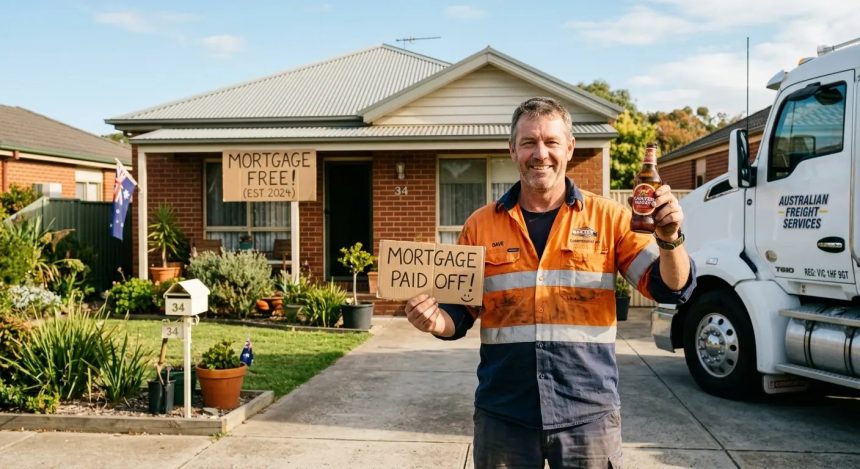
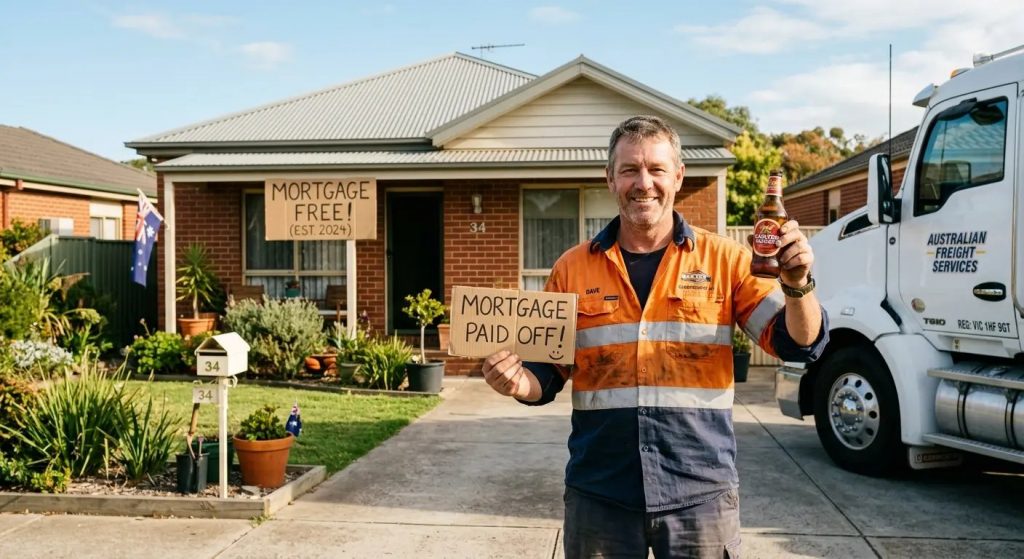
For years, life on the road came with more than just long hours and tight schedules—it came with a growing financial burden. Carrying $40,000 in debt and a long-term home loan, one truck driver found himself stuck in a cycle that felt impossible to break. But through discipline, strategy, and a shift in mindset, he managed to turn things around in a way that many would consider extraordinary.
Today, he describes his situation in one word: liberated.
The Breaking Point
Like many working professionals, his debt didn’t come from a single mistake. It built up gradually—credit cards, unexpected expenses, and everyday costs that added up over time. With interest piling on, the balance became harder to manage, and minimum payments barely made a dent.
At the same time, his mortgage stretched decades into the future, locking him into long-term financial pressure.
The turning point came when he realized that continuing the same habits would keep him stuck indefinitely.
The Strategy That Changed Everything
Instead of looking for shortcuts, he focused on a simple but aggressive plan:
- Cutting non-essential spending
He reviewed every expense and eliminated anything that wasn’t necessary. Small savings added up quickly. - Prioritizing high-interest debt first
By targeting the most expensive debt, he reduced the total interest paid over time. - Increasing income where possible
Extra shifts and smarter route planning helped him boost earnings without changing careers. - Redirecting all extra cash toward debt
Every surplus dollar went toward reducing balances faster.
This wasn’t about drastic lifestyle changes overnight—it was about consistency and staying committed to the process.
Paying Off the Mortgage Early
Once the $40,000 debt was cleared, he didn’t slow down.
Instead, he applied the same intensity to his home loan.
By making larger monthly payments and avoiding unnecessary spending, he accelerated the repayment schedule dramatically—cutting 20 years off the original term.
The result: full ownership of his home far earlier than expected.
The Psychological Shift
Beyond the numbers, the biggest transformation was mental.
Debt often creates constant background stress—something many people normalize without realizing it. Removing that burden changed how he viewed money, work, and long-term planning.
Without monthly obligations hanging over him, he gained:
- More control over his time
- Greater financial flexibility
- Reduced stress and uncertainty
That’s where the feeling of “liberation” truly comes from.
What Others Can Take From This
This story isn’t about extreme luck or risky moves. It’s about execution.
Key takeaways that apply broadly:
- Small financial leaks matter more than people think
- Consistency beats short-term motivation
- Prioritizing high-interest debt accelerates progress
- Income growth + expense control is the fastest path out
Most importantly, the earlier someone takes control, the bigger the long-term impact.
Final Thought
Getting out of debt and paying off a home early might seem out of reach—but cases like this show it’s achievable with the right approach.
Not overnight. Not effortlessly. But systematically.
And for those who follow through, the payoff isn’t just financial—it’s freedom.