


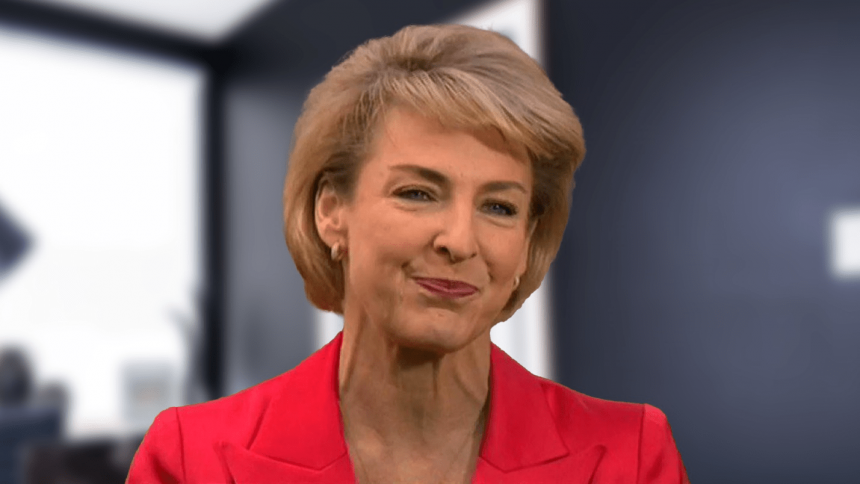
Michaelia Cash is one of the most prominent and enduring figures in Australian federal politics, known for her strong advocacy, direct communication style, and significant role within the Liberal Party. Over the course of her career, she has occupied key ministerial positions, influencing policy across multiple sectors.
Political Entry and Career Development
Cash entered federal politics as a Senator for Western Australia, quickly establishing herself as an assertive and disciplined political operator. Her early career was marked by a focus on industrial relations, employment policy, and economic reform—areas that would remain central to her political identity.
Her legal background provided a strong foundation for her work in policy development, enabling her to engage with complex legislative frameworks. This expertise contributed to her rise within the party, leading to appointments in senior ministerial roles.
Ministerial Roles and Policy Influence
Throughout her career, Cash has held several significant portfolios, including Minister for Employment, Skills, and Innovation. In these roles, she has been involved in shaping policies related to workforce development, vocational education, and labor market regulation.
Her approach to policy is often aligned with broader Liberal Party principles, emphasizing economic growth, business support, and regulatory efficiency. She has been a vocal advocate for reforms aimed at increasing productivity and competitiveness within the Australian economy.
Cash’s tenure in ministerial positions has also required her to navigate complex stakeholder environments, balancing the interests of businesses, workers, and government priorities. This aspect of her work highlights the practical challenges of policymaking in a dynamic political landscape.
Communication Style and Public Presence
Cash is known for her direct and often forceful communication style. In parliamentary debates and media appearances, she adopts a confident and assertive tone, reflecting her commitment to defending her positions.
This approach has both strengthened her profile and contributed to her reputation as a polarizing figure. Supporters view her as a strong advocate who communicates clearly and decisively, while critics argue that her style can be confrontational.
Regardless of perspective, her communication strategy has ensured that she remains a visible and influential figure within Australian politics.
Controversies and Political Challenges
Like many long-serving politicians, Cash’s career has not been without controversy. She has been involved in high-profile political disputes and public debates, some of which have attracted significant media attention.
These controversies highlight the complexities of modern political life, where public scrutiny is intense and reputational risks are ever-present. Cash’s ability to navigate these challenges and maintain her position within the party reflects a degree of political resilience.
Role Within the Liberal Party
Within the Liberal Party, Cash has played a key role in shaping policy direction and party strategy. Her experience and seniority position her as an influential voice in internal discussions, particularly on issues related to employment and economic policy.
Her leadership within the party also extends to mentoring and supporting colleagues, contributing to the development of future political figures.
Broader Political Context
Cash’s career must be understood within the broader context of Australian politics, which has undergone significant changes in recent years. Issues such as economic transformation, technological disruption, and shifting public expectations have influenced the policy landscape.
Her work reflects these dynamics, addressing both traditional concerns and emerging challenges. This adaptability is essential for maintaining relevance in a rapidly evolving political environment.
Legacy and Ongoing Influence
Michaelia Cash’s legacy is shaped by both her policy contributions and her role as a prominent political figure. She represents a model of sustained engagement in public life, demonstrating the demands and complexities of long-term political careers.
Her influence is likely to persist, whether through continued political activity or through her impact on policy frameworks and institutional practices.
Conclusion
Michaelia Cash’s career illustrates the multifaceted nature of political leadership, combining policy expertise, communication strategy, and resilience. While her tenure has included both achievements and controversies, her role in shaping Australian political discourse remains significant.